Tournament Schedules Directing Accumulator Builds via Real-Time Market Adjustments and Blackjack Table Modifications
Written by Leon Carter · Sep 23, 2026
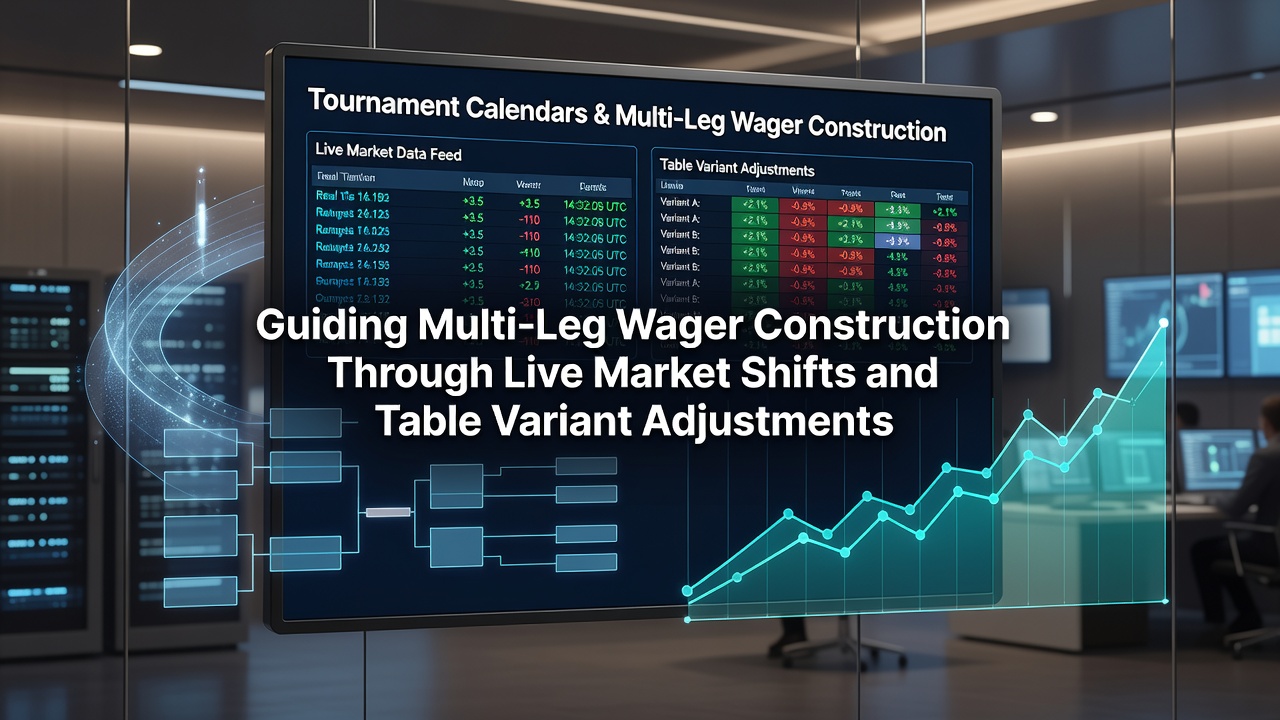
Tournament Schedules Directing Accumulator Builds via Real-Time Market Adjustments and Blackjack Table Modifications
September 2026 brings overlapping international tournament windows that reshape how bettors align multi-leg wagers with shifting live markets and available blackjack variants, and observers note these periods create distinct patterns in resource allocation across sportsbooks and casino floors. Data from regional gaming reports shows increased activity in accumulator structures when major league breaks coincide with changes in point spreads, totals, and player props.
Calendar Overlaps Influencing Wager Layering
League schedules dictate the timing of multi-leg constructions because they determine when live odds move most dramatically across connected events, while tournament calendars also signal when casino operators introduce limited-time table variants such as single-deck blackjack or games with altered payout ratios on side bets. Those who track these overlaps find that periods of concentrated fixtures prompt adjustments in both handicap selections and variant switches to maintain balanced exposure across legs.
Research indicates that September windows often feature clustered competitions in soccer, tennis, and basketball circuits, creating simultaneous opportunities for live market reactions that affect accumulator viability. Bettors who monitor these clusters frequently revise initial parlay designs when early fixtures produce unexpected scorelines that alter subsequent leg probabilities.
Live Market Shifts and Immediate Response Patterns
Real-time odds adjustments during tournament matches require rapid recalibration of multi-leg structures, particularly when in-game developments change implied probabilities for later selections. Studies found that operators update lines within seconds of key events, and those managing accumulators respond by swapping legs or reallocating stakes to variants that better match current market conditions.
Table game floors mirror these shifts through temporary rule modifications, such as reduced house edges on certain side bets or altered doubling parameters, which become available precisely during high-traffic tournament dates. Figures from industry tracking services reveal elevated participation in these modified tables when live sports markets demonstrate heightened volatility.
Blackjack Variant Adjustments During Peak Windows
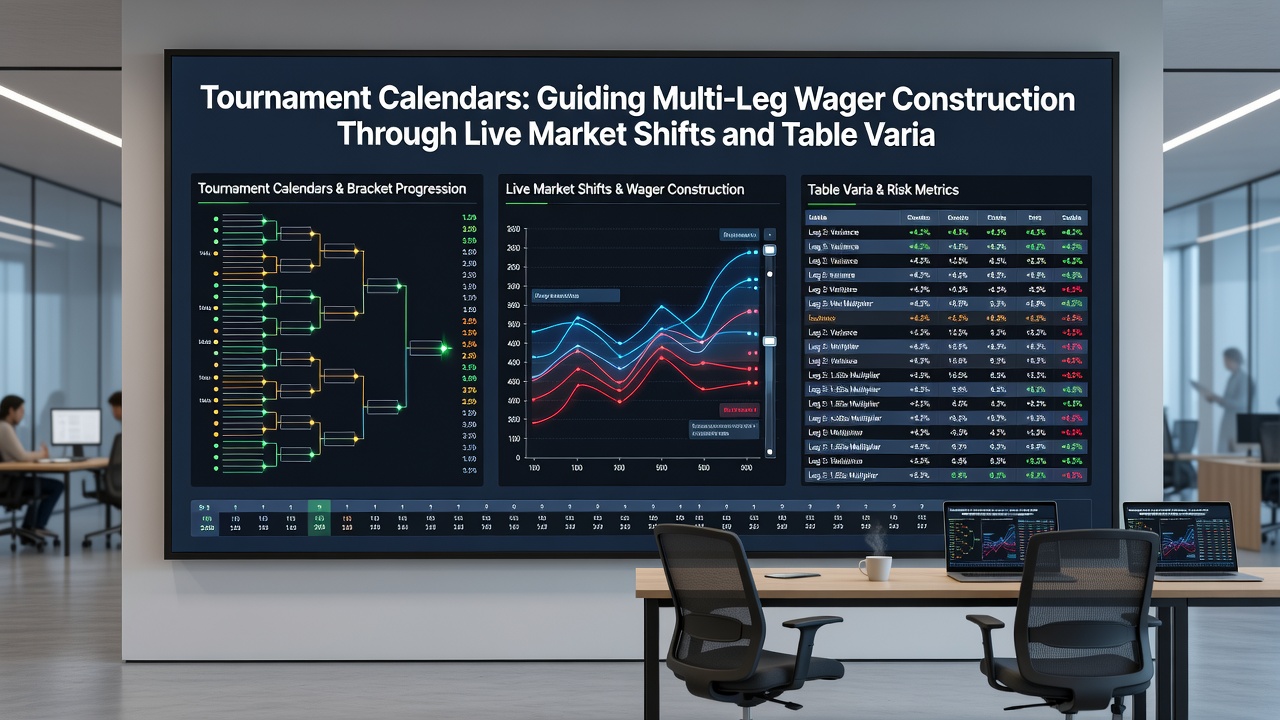
Operators introduce variant changes to capture traffic during major competition periods, and data shows these modifications often include adjusted commission rates on insurance or revised payout structures for blackjack side bets. People who coordinate accumulator builds with these table updates report improved alignment between sports market timing and casino floor availability.
September 2026 schedules include several overlapping regional tournaments that extend daily operating hours at cardrooms, creating extended windows for variant experimentation. Those coordinating multi-leg wagers note that switching between standard and modified tables allows finer control over overall bankroll distribution when live handicap markets fluctuate.
Resource Allocation Across Connected Markets
Multi-leg wager construction benefits from synchronized monitoring of tournament calendars and table availability because both domains experience correlated volume spikes. According to reports published by the New Jersey Division of Gaming Enforcement, cross-market activity rises measurably when league downtimes align with promotional table offerings. This coordination enables more precise stake distribution across legs that respond differently to live updates.
Additional analysis from the Australian Gambling Regulation Authority highlights how regional competition lulls prompt operators to refresh variant selections, which in turn influences accumulator timing strategies. Bettors who map these changes against live market movements maintain more stable exposure throughout extended tournament stretches.
Conclusion
Tournament calendars continue to serve as primary guides for constructing and refining multi-leg wagers that adapt to live market shifts and blackjack table variant adjustments. Data consistently shows that September periods amplify these interactions, and operators respond with coordinated schedule expansions across sportsbooks and gaming floors. Those who track calendar-driven patterns maintain structured approaches to accumulator layering that account for both real-time odds movement and available table modifications.